
We come out and do a thorough inspection of the property with special attention to areas you've already seen scorpions. Then we tailor our approach to your home.
We choose the right products for your specific situation. We don't believe in a one-size-fits-all spray.
We're committed to using the options that not only eliminate the problem but also keep your family and pets safe too.
We also recommend ongoing pest control to keep the food source for scorpions at bay. By removing the food source, we effectively reduce the chance they come back.
This is the most obvious sign and for many people the scariest. Seeing a single scorpion in your home, especially in your bedroom, bathroom, or kitchen, strongly suggests there are more.
Scorpions are attracted to food, and moisture if they find an entry point, more will follow.
If you’re finding them in those spots, chances are there are more hiding nearby.
Get access to a blacklight and search the perimeter of your yard after dark. Scorpions will glow and you can typically see them from at least several feet away.
Scorpions eat crickets, cockroaches, spiders and other small insects. Where there are bugs, scorpions won’t be far behind. Treating for scorpions alone doesn’t fix the issue.
These are all places scorpions hide during the day. Block walls, especially, with their gaps and hollow columns, are basically like scorpion condos.
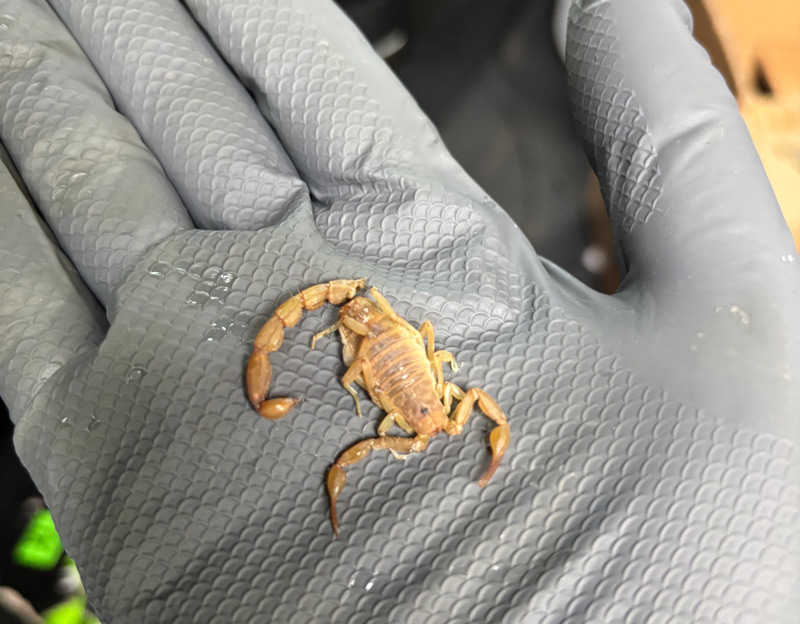
Small, pale tan, and roughly 2.5 inches long, the Bark Scorpion looks deceptively harmless. It isn’t. Its venom causes severe pain, numbness, tingling, and in serious cases, difficulty breathing, muscle convulsions, and slurred speech — with symptoms that can last 24 to 72 hours. Children, the elderly, and those with sensitivities are at greatest risk and should seek immediate medical care if stung.
What makes the Bark Scorpion uniquely dangerous is its behavior. Unlike most scorpions, it can climb walls, stucco, and even hang upside down from ceilings — so it can appear on walls, inside cabinets, in bedding, and inside shoes. It needs only a 1/16-inch gap to enter your home. It’s nocturnal, nearly invisible in daylight, and an expert at hiding in every dark crevice of your living space.
One more unsettling fact: a single female gives birth to 25 to 35 live young per cycle and carries them on her back until they’re mobile. Yes, they will breed inside your home.
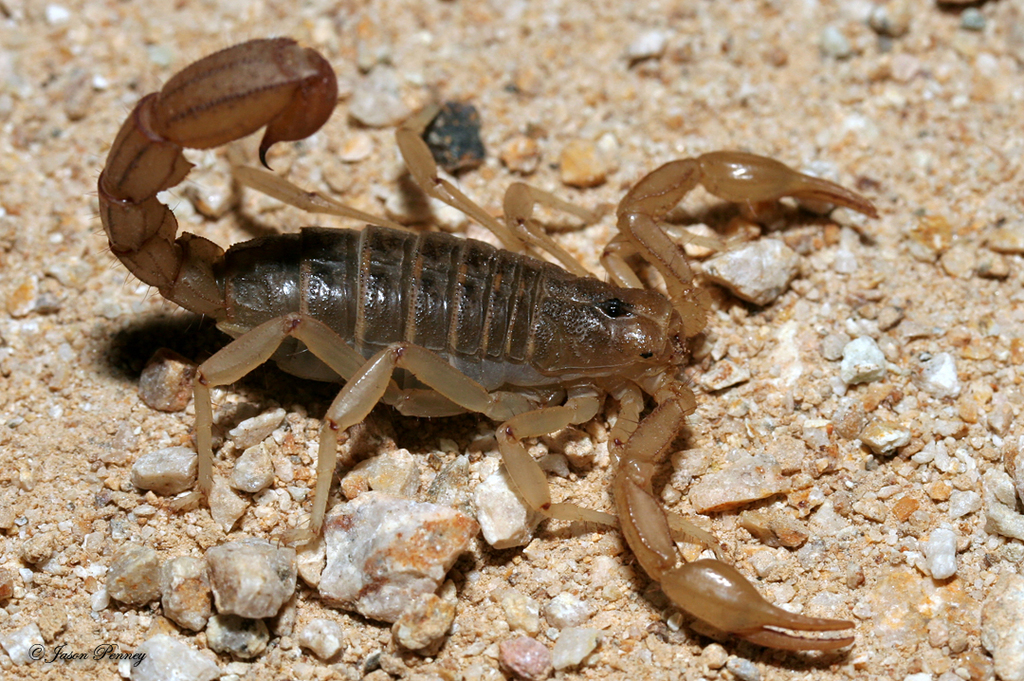
The most common scorpion species in Arizona overall. Yellowish with distinctive dark dorsal stripes, it’s typically found under rocks, in block wall columns, and, frequently, inside homes. Its sting is painful, more like a bee sting than a Bark Scorpion, but people with venom sensitivity should still take it seriously.
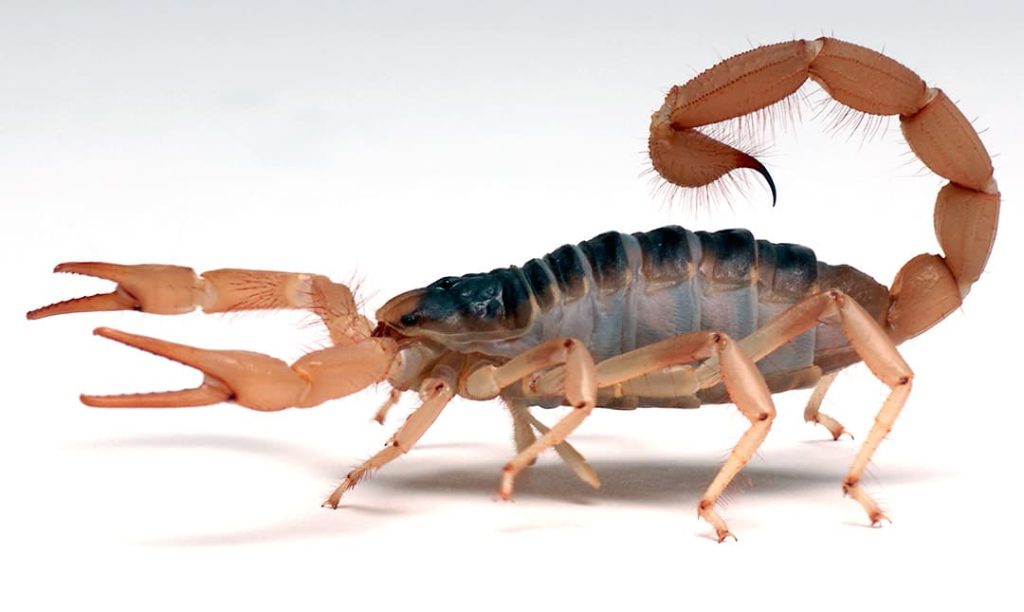
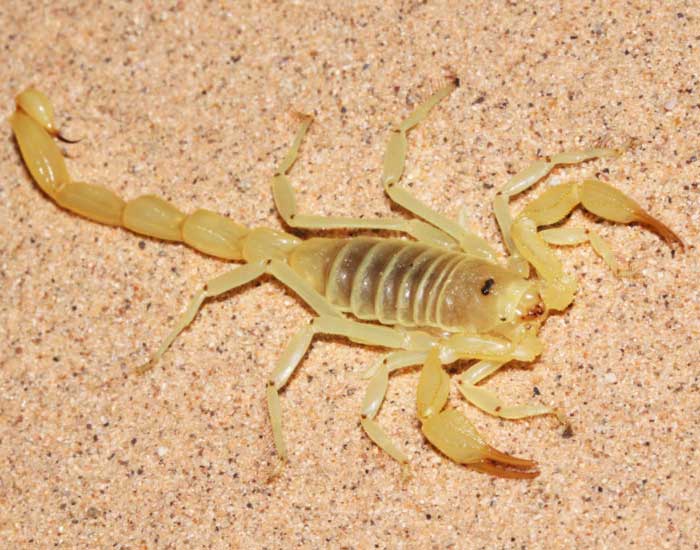
Slender, yellowish-tan, and nocturnal. Common in the southeastern Valley areas near Chandler. Its sting produces localized pain and swelling comparable to the Striped-Tail. Not as dangerous as the Bark Scorpion, but if you’re seeing them, it’s a sign your property is attracting scorpions, and that means others could follow.
If you see Any of these Scorpions Call Now.
We know your issues because we live here too!
We bring our experience to solve your particular pest control problems
We tailor our solutions to the problem at hand because that’s they way it should be
We want to eliminate the pests AND keep your family and pets safe during the process
Bringing you peace of mind
We believe in prompt, open honest communication
Honest recommendations with no pressure or gimmicks
Pests need to be dealt with quickly and we show up when we say we will
Call us to schedule your free site inspection and estimate
If you’re not satisfied we’ll make it right

Chandler
Mesa
Gilbert
Tempe
Queen Creek
Apache Junction
Ahwatukee
Sun Lakes
2026 © Figz Pest Control. All Rights Reserved. Privacy Policy.